Man With Van in Ruxley

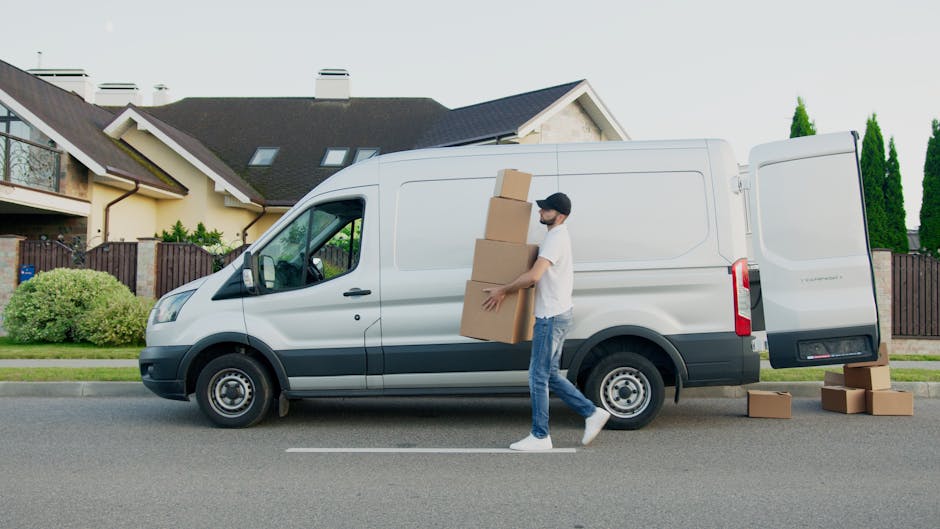
Man With Van Ruxley provides a practical moving service for homes, flats and small businesses that need help with transport, loading and careful handling of belongings. The focus is on straightforward removals support: moving items safely, planning sensible vehicle space and keeping each job organised from the first enquiry to delivery. For customers who do not need a full-scale removals crew, a man with a van can offer a simpler way to move furniture, boxes and mixed household goods.
Our work is suited to local moves, single-item transport and smaller relocation jobs where flexibility matters. We can help with furniture pick-up, part-load moves and collection of awkward items that are difficult to move in a normal car. If you are comparing ways to complete a move in Ruxley, it is worth looking at the available options first, then choosing the level of support that fits the job. You can request a quotation once you know what needs moving.
To begin, send a clear description of the items, where they are coming from and where they need to go. If you have stairs, limited parking or bulky furniture, mention that too so the plan can reflect the practical details. A good enquiry makes it easier to match the vehicle, loading time and route to the work. If you prefer, start with a simple call to action: tell us what needs moving and we will take it from there.
Flexible moving support for homes and small loads
Many customers use a van-based removals service when the move is too large for a car but does not justify a bigger crew or lorry. That can include a few rooms of household goods, a student move, or transport for furniture bought privately. The key benefit is flexibility: the load can be planned around the space available, and the service can be shaped around the items rather than forcing everything into one fixed format. For some jobs, that may mean one trip; for others, a careful sequence of collections and deliveries.
We also handle mixed loads where a customer has boxes, small appliances and larger pieces that need different handling. Sofas, wardrobes, tables and beds often need more than simple lifting because their shape and finish matter as much as their weight. The aim is to move them without avoidable scuffs or strain on the item. If you need guidance on what can reasonably fit into a single vehicle load, our moving van page gives a clearer sense of the kind of transport commonly used for this type of work.
Typical jobs may include:
- moving boxed household contents between addresses
- transporting furniture bought from a shop or private seller
- carrying a few items from a flat, house or storage unit
- supporting short-notice local collection and delivery work
- moving items that need careful loading because of shape or finish
Furniture pick-up and careful loading

Furniture pick-up is one of the most useful services in a man with van arrangement because it often solves a very specific problem: the item is ready, but the customer needs a safe and practical way to collect it. That might be a single bed frame, a dining table, a dresser or a sofa that cannot be transported easily in an ordinary vehicle. Our furniture pick-up service is designed around that kind of task, with the emphasis on collection, handling and delivery rather than on large-scale moving.
Loading matters as much as driving. Heavier items normally need to be positioned so they do not shift in transit, while delicate pieces may need extra care to avoid pressure points and movement against harder surfaces. Where possible, items are grouped logically so the heaviest pieces support the load and lighter cartons fill the remaining gaps. That approach helps protect both the goods and the vehicle space, and it can also make the unloading stage quicker and more controlled.
When you are preparing a collection, it helps to note any access limits, such as narrow hallways, upstairs rooms or fixed delivery windows. That is not about creating extra admin; it is about giving a realistic picture of the work so the arrangement matches the property and the items. If the collection is part of a larger move, you can keep the plan simple by listing the main pieces first, then adding the smaller cartons afterwards. Clear item details usually lead to better packing decisions and fewer surprises on the day.
Home moves, flat moves and smaller relocations
A van-based move can suit many home removals where the household is not moving an entire property full of furniture. It can work well for one-bedroom flats, shared homes, partial moves or situations where a customer is moving only selected rooms. For those jobs, the value lies in having transport that is large enough for the load but not unnecessarily complicated. Our home moves page covers the kind of relocation support typically required when domestic items need to be shifted in a planned and organised way.
Home removals often involve a mixture of furniture, boxed belongings and practical household items that need to arrive in usable condition. That means paying attention to loading order, item protection and the sequence of access at each address. A mattress may need to be kept separate from heavier furniture; glass items may need to be positioned so they are not under pressure; and everyday boxes may be stacked to use the available volume efficiently. The result should be a move that feels orderly rather than improvised.
If you are comparing several move types, it can help to think in terms of scope. A small domestic move might only need transport and loading help, whereas a fuller household move may need more planning around access and the sequence of unloading. Either way, the objective is the same: get belongings from one address to another with sensible handling and clear expectations. If that sounds like the kind of support you need, a short enquiry is the quickest way to get started.
Packing support, preparation and route planning
Packing is often what separates a manageable move from a stressful one. Boxes should be closed properly, fragile contents cushioned and loose items grouped so they are easier to load. Where customers choose to pack themselves, the main priority is consistency: similar-sized boxes are easier to stack, and well-labelled cartons make unloading much simpler. If packing is only partly complete, the remaining items can still be moved, but the plan should allow for extra care and time. Our packing and unpacking services page is useful if you want to see how that support fits alongside transport.
Route planning and timing also matter, especially where there are parking limits, shared entrances or a narrow window for access. The aim is not to overcomplicate the move, but to avoid last-minute problems that can slow loading or unloading. A practical quotation usually depends on the number of items, the distance travelled and any handling challenges such as stairs or awkward entry points. The most useful quote requests tend to be short and factual rather than long, because they make it easier to match the vehicle and the work accurately.
When preparing for a move, keep these points in mind: 1. identify the largest items first 2. group fragile belongings together 3. note any difficult access at either address 4. mention whether loading help is needed 5. be clear about collection and delivery locations
Office relocation and business transport

Commercial customers often need a van service for smaller office moves, equipment transfers or the transport of archive boxes and furniture between business premises. A full office relocation may need more than transport alone, but a concise van-based service can still be valuable when the task is limited in scale. Our office relocation services page suits customers who want a clearer picture of support for desks, chairs, filing items and other workplace contents.
Business moves require order and continuity. Desks, chairs, shelving and small office equipment need to be loaded so that items can be identified again at the other end, and fragile devices should be separated from heavier furniture. The work may also involve keeping certain items accessible in the correct sequence, especially where a business wants to minimise interruption. In practical terms, that means considering the layout of both sites before anything is loaded, even if the move itself is modest in size.
For companies that only need a limited collection or delivery, a smaller transport option can be more efficient than arranging a large removals operation. It can suit documents, display materials, compact office furniture and stock that needs moving between locations. If your business is planning a relocation or just shifting selected items, the right next step is usually to define the load as precisely as possible. Once that is clear, we can help decide whether the job fits a simple vehicle move or needs a fuller removals approach.
Household removals, transport choices and service fit
There are several closely related ways to describe a domestic move, and customers often use them interchangeably. Some are looking for a broad removals service, while others only need a vehicle and help with loading. The best choice depends on what is being moved, how much support is required and how easy the access is at each end. Our house removals page sits within that broader domestic service group, while this page focuses on the more flexible man with van format.
Not every move needs the same level of handling. A few boxes and a sofa can be dealt with differently from a full three-bedroom relocation, and choosing the right type of support helps keep the job proportionate. The service may also be useful for customers who are moving items in stages, perhaps because dates do not line up neatly or because only part of a property is ready. In those cases, a simpler transport arrangement can be easier to fit around real-life timing.
Supported decisions usually come down to load size, access, distance and the amount of help required at each address. If those details are in place, it becomes much easier to choose between a general removals booking, a man with a van move or a targeted collection. If you are unsure which route fits best, a short description of the items is enough to begin. The next move is yours: ask for a quotation when you are ready.
About Ruxley
Ruxley is a name associated with an area in south-east London that sits close to the boundary between the London Borough of Bexley and neighbouring districts. It is known for its position near the River Cray corridor and for the contrast between built-up streets, business uses and open green spaces around the edges of the district. One of the most recognisable local features is the Ruxley area’s long association with garden centres and retail uses along major road routes, which has given parts of the locality a strongly commercial character alongside nearby residential neighbourhoods. The wider setting includes pockets of suburban housing, roads that link towards Sidcup, Bexley and Crayford, and a landscape shaped by the tributaries and marshy low-lying ground of the Cray valley. In historical terms, the name has appeared in connection with older parish and manor boundaries, and the modern area reflects the gradual spread of London’s suburbs through what was once a more rural fringe. Like many places on the metropolitan edge, it combines everyday travel routes with remnants of older land use, so the sense of place comes from both movement and familiarity. The surrounding district also includes schools, local shopping runs and open land that softens the transition between residential streets and main roads. That mix of activity, green space and transport connections gives Ruxley a practical identity within its part of south-east London, while still keeping a distinct local name that residents and businesses continue to recognise.
Removal services tailored to the job

Different moves call for different arrangements, which is why it helps to think beyond a single generic removals label. Some customers need a simple van and driver combination; others need loading help, careful lifting or support with a combination of house and business items. Our removal services page sits within that wider range, and it is useful when you want to understand how the service can be adjusted to the size and type of job rather than forcing every move into the same shape.
The strongest service decisions usually come from the items themselves. Large wardrobes, beds and tables need space; boxes need orderly stacking; and fragile belongings need protection from pressure and movement. If the move includes both furniture and smaller packed goods, the load should be arranged so that the more delicate contents are not trapped under heavier pieces. The practical aim is simple: the vehicle should work with the items, not against them. That is especially important where access is tight or the delivery point has limited room for unloading.
If you are deciding whether a full removals booking is necessary, consider how much lifting is involved and how many separate items need to be handled. A smaller move may be completed with straightforward vehicle support, while a more involved job can benefit from added planning. Either way, the service should feel appropriate to the task, not overstated. Tell us what needs moving, and we can help shape the arrangement sensibly.
Pricing factors, access and what affects the quotation
Quotations for van-based removals are usually shaped by a small set of practical factors. The number and size of items matters, as does the distance between collection and delivery. Access conditions can also influence the plan: a ground-floor collection is simpler than a third-floor flat without lift access, and a property with limited parking may require more careful timing. If you want to compare options accurately, it is best to be clear about what is being moved rather than trying to guess a total from memory.
There is no need to overprepare, but a concise description helps. A list of furniture, the number of boxes and any special handling requirements can give a fair picture of the work. If there are dismantled pieces, awkward dimensions or items that cannot be stacked with others, include that information too. For a number of customers, the most helpful part of the process is simply knowing whether the job can be done in one trip or whether it needs a more measured approach.
For a straightforward enquiry, keep the message focused on the move itself: the items, the collection point, the destination and any access points that might affect loading. That gives enough detail for a practical response without asking you to write a full inventory. If you are ready to compare service options, you can start with the pricing page or make contact directly to request a quotation.
Collection, delivery and the final stage of the move

The final stage of any move is often where the value of a well-planned service becomes most obvious. Items need to be delivered in a logical order, and the unloading process should match the destination space rather than forcing everything into one pile. That is true whether the job is a single furniture collection or a more varied household move. Our contact us page is the place to use for a direct quotation request when you already know the rough shape of the work.
At delivery, the main priorities are safety, control and a sensible sequence. Heavy furniture should be set down carefully, boxed contents should stay together and fragile items should be separated until they can be placed properly. The more clearly the move has been planned, the easier this stage becomes, because items arrive in an order that reflects how they will be placed or unpacked. That can make a practical difference, especially where the destination has stairs, restricted entry points or limited space to stage the load.
Whether you need a single-item collection, a small home move or support for a more involved transfer, the same principle applies: choose the level of help that fits the job. A good man with van service should feel organised, measured and fit for purpose. If that sounds like what you need in Ruxley, send the details and ask for a quotation today.