Road Closure and Permit Rules for Ruxley Removals
Posted on 05/07/2026
Road Closure and Permit Rules for Ruxley Removals: A Practical Guide for a Smoother Move
Moving house is stressful enough without a van blocking the road, a neighbour unable to get out, or a permit issue turning a tidy plan into a messy one. That is exactly why Road Closure and Permit Rules for Ruxley Removals matter. If your move involves a narrow street, a busy estate, shared parking, or a loading bay that never seems to be free at the right time, a bit of forethought can save you a lot of hassle.
In Ruxley, as in many London areas, the real challenge is often not lifting the sofa or wrapping the mattress. It is access. Can the removal van stop close enough? Is a permit needed? Are there restrictions on waiting, parking, or temporarily occupying part of the road? This guide breaks all of that down in plain English, with practical steps you can actually use on moving day.
For the broader moving picture, it also helps to understand packing, decluttering, route planning, and property access. You may find it useful to look at smart packing solutions, decluttering before moving, and stressless house moving tips as part of your overall plan.
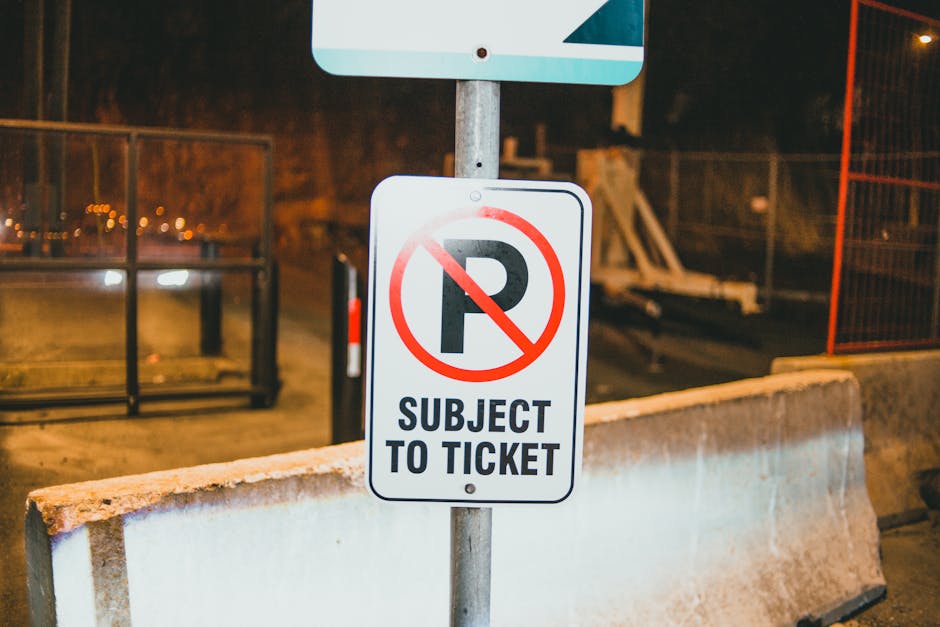
Why Road Closure and Permit Rules for Ruxley Removals Matters
Permits and road restrictions sound like admin, and to be fair they are admin, but they can shape the whole move. A removal van may need to stop outside your property for long enough to load heavy furniture, stack boxes, or use a trolley. If that stop is not allowed, the entire move can slow down, become more expensive, or create avoidable risk.
In a place like Ruxley, the issue is often a mix of residential streets, parked cars, tighter access points, and occasional time-sensitive road use. One blocked lane can be enough to change the sequence of a move. You might need to park farther away, carry items longer, or wait for another vehicle to move. That is not a small inconvenience when you are carrying a fridge, a wardrobe, or a bed frame.
There is also the neighbour factor. Nobody enjoys waking up to a van straddling the kerb, loading bays occupied all morning, or a skipped driveway that should have been kept clear. Good planning keeps things civil. It also reduces the chance of complaints, fines, or hurried last-minute rearrangements.
Expert summary: the safest move is usually not the one with the biggest van or the fastest crew; it is the one with the cleanest access plan.
Think of road closure and permit rules as part of the moving equipment. Not glamorous, but essential.
How Road Closure and Permit Rules for Ruxley Removals Works
There are two separate ideas here, and they are easy to mix up. A parking permit or temporary loading permission helps a vehicle stop legally in a restricted area. A road closure is something bigger, usually involving formal permission to restrict or prevent through traffic for a set period.
For most domestic removals, you are far more likely to deal with parking controls, waiting restrictions, suspended bays, or access arrangements than a full road closure. Full closures are usually reserved for bigger works, exceptional access problems, or situations where safety requires traffic to be stopped. In everyday removals, the practical question is usually: can the van legally and safely stop where it needs to?
The process tends to involve the following stages:
- Assess the property access and street layout.
- Identify whether parking is unrestricted, limited, resident-only, or controlled.
- Check whether a loading permit, bay suspension, or advance permission is needed.
- Work out the timing, especially if the move happens during busy hours.
- Make sure the plan is in place before the moving crew arrives.
That last point matters more than people expect. The moving team can only work with the access available on the day. If the van has to circle the block, it affects everything from the first box to the final table leg.
If your move involves a flat, shared driveway, or limited roadside space, it can help to read about packing and parking on Ruxley estates and narrow-street moving tips for Ruxley Lane. Those kinds of local access issues often decide whether the day feels smooth or mildly chaotic.
One small but important detail: rules can change depending on the exact street, the day, and the time. That is why a careful location check beats guesswork every time.
Key Benefits and Practical Advantages
Getting the permit and access plan right does more than help you avoid a ticket. It makes the whole move calmer and more efficient. Here are the most useful benefits in real life.
- Faster loading and unloading - The van can park closer, which reduces carrying time and fatigue.
- Lower risk of delays - Less circling for parking means fewer wasted minutes, and fewer tense phone calls.
- Better safety - Shorter carry distances reduce the chance of trips, strains, or damaged furniture.
- Less neighbour friction - Clear permissions and sensible timing help keep everyone on side.
- More accurate planning - Once access is known, the crew can estimate labour and vehicle needs more reliably.
There is another practical upside people sometimes overlook: permits and access planning can reduce overall moving cost by limiting time on site. You may not save a fortune, but you often save enough to matter, especially if the move is already stretching the budget.
And let's face it, nobody wants to pay extra because the van had to be moved twice or the crew had to carry a wardrobe an extra hundred metres in drizzle. That sort of thing is where good planning quietly earns its keep.
Who This Is For and When It Makes Sense
This topic is relevant to more people than you might think. If your property is on a main road, a narrow cul-de-sac, a managed estate, or anywhere with inconsistent parking, you should be thinking about permits and road access well before moving day.
It is especially important for:
- House moves where the removal van needs to stop on the street.
- Flat moves with limited lift access or long walk distances.
- Office relocations with commercial loading windows.
- Same-day or last-minute moves where access is already tight.
- Student moves, where timing, parking, and building rules can be surprisingly awkward.
- Heavy item jobs such as pianos, wardrobes, or large appliances.
If you are moving heavy or awkward items, you may also want to read why DIY piano moving can be costly and how to move a bed and mattress with ease. Those articles pair well with access planning because the biggest items are usually the ones that suffer most when the van cannot get close.
Sometimes the signs are obvious. A street already looks packed at 8:30 in the morning, or there are yellow lines right outside the house. Other times the issue is subtler. Maybe there is space, but only for a short stay. Maybe the building manager is fine with the move, but the road itself is not. That is why it pays to check both the property and the street, not just one or the other.
Step-by-Step Guidance
Here is a simple way to handle road closure and permit planning without overcomplicating it.
- Walk the route from the front door to the van position. Notice kerbs, steps, gates, slopes, corners, and anything that would make carrying awkward.
- Check parking conditions for the exact street. Do not assume the next road over has the same rules. It often doesn't.
- Ask whether any suspension, loading allowance, or temporary permission is needed. This is the point where many people discover the hidden wrinkle.
- Match the permit timing to your moving window. If the move starts early, make sure the cover applies early. Sounds obvious, but it gets missed.
- Plan for a backup position. If the first spot is taken, where will the van go next?
- Tell everyone involved. The removals team, the client, and anyone managing access should all know the plan.
- Confirm again the day before. It is a small step that catches a lot of problems.
If your move is in a tight neighbourhood or you are trying to work around limited availability, the article on same-day removals in Ruxley is worth a look. Emergency moves are where permit mistakes become extra painful, because there is less time to recover.
A helpful habit is to think in distances, not just addresses. If the van can sit 5 metres from the door, great. If it is 40 metres away, you need a different plan. That distance changes pace, effort, and often the type of lifting gear needed. Small detail, big effect.
Expert Tips for Better Results
A few small decisions can make a surprisingly big difference. These are the kind of practical things that tend to come from doing this over and over, not from theory.
- Book access planning before packing is finished. The layout should influence how you pack. For example, if the van will be a bit further away, keep heavier boxes smaller.
- Label priority items clearly. If the van position is awkward, you want the first unload to be efficient, not a rummage.
- Keep one clear loading lane if possible. A single well-managed route beats several half-blocked options.
- Use the quiet parts of the day where sensible. Early starts are often better than lunchtime chaos, though that depends on local restrictions.
- Protect stairwells and pavements. A few mats, blankets, or runners can prevent scuffs and complaints.
- Measure large furniture against the access path. A van space is only useful if the item can actually reach it.
One thing we often see is people packing everything beautifully and then forgetting the most basic access question. It happens. A perfectly taped box is lovely, but it will not help if the van is three streets away.
For furniture-specific planning, have a look at furniture removals support and the guidance on packing and boxes in Ruxley. Those pages sit nicely alongside road access planning because good packing and good parking work together.

Common Mistakes to Avoid
Most permit problems are avoidable. The frustrating part is that the mistakes are usually simple ones.
- Assuming a space will be free. It might be. It might not. That is not a plan.
- Checking the road but not the bay rules. A bay can look open and still be restricted.
- Leaving permit arrangements until the last minute. This is the classic one. By then, options are limited.
- Forgetting about neighbours' vehicles. If someone usually parks there overnight, your whole arrangement can be thrown off.
- Ignoring delivery or waste collection patterns. Those can affect when you can safely use the street.
- Underestimating the impact of a long carry. It can double the strain on the crew and slow the move enough to create a domino effect.
Another common error is forgetting that access issues and pricing are connected. If you want a clearer sense of how quotes can shift when access is more difficult, the piece on hidden moving costs and quote red flags is a sensible read.
Truth be told, the biggest mistake is often optimism. A cheerful "we'll probably be fine" is not the same as checking the rules and confirming them. The move day has a way of exposing wishful thinking very quickly.
Tools, Resources and Recommendations
You do not need a giant toolkit to manage access well, but a few practical things help a lot.
- Measuring tape - Useful for checking clearance at gates, paths, and hallways.
- Printed move plan - Handy if several people are involved and mobile signal is patchy.
- Phone photos of the street - A quick visual record helps explain access to a removals team.
- Box labels and colour codes - These reduce confusion when unloading from a more distant parking spot.
- Protective covers and trolleys - Especially useful when the van cannot park right outside.
For service planning and reassurance, you can also review the services overview, removal services in Ruxley, and health and safety policy information. Those pages help you see how access, handling, and safety fit together in a real move.
If your move involves temporary storage because access is awkward or timings do not line up neatly, storage in Ruxley can be part of the answer. Sometimes the smoothest move is not one long push. Sometimes it is two calmer stages. Nothing wrong with that.
Law, Compliance, Standards, or Best Practice
When road closures or parking controls are involved, the safest approach is to treat local rules seriously and early. Exact requirements can vary by street, by borough, and by the type of restriction in place. For that reason, it is wise not to assume that one move in one part of Ruxley will be handled the same way as another.
Best practice usually includes:
- checking access restrictions for the exact location
- allowing enough lead time for permission to be arranged
- keeping the route clear for pedestrians and emergency access
- avoiding unsafe parking or obstruction
- making sure the moving plan does not create unnecessary risk for people or property
There is also a professional standard issue here. A good removals plan should reduce risk, not create it. That means avoiding overloading pavements, not blocking driveways without consent, and keeping the crew informed when access changes. These are simple things, but they matter.
If your move involves specialist items or awkward handling, it may help to review insurance and safety guidance and man with a van support in Ruxley. Compliance and safety are easier when the right vehicle and the right method are matched to the job.
Where waste or clearance is involved before the move, keep an eye on disposal rules too. The article on avoiding bulky waste charges is useful if you are trying to clear space without adding avoidable costs.
Options, Methods, or Comparison Table
Not every move needs the same access setup. Here is a simple comparison of the main approaches.
| Approach | Best For | Pros | Watch Outs |
|---|---|---|---|
| Standard roadside loading | Quiet streets with clear space | Simple, quick, low admin | Spaces may disappear, and timing still matters |
| Permit or reserved loading space | Busy streets, flats, or controlled parking | More reliable access and better planning | Needs advance arrangement and confirmation |
| Temporary road restriction or closure | Exceptional access needs or larger coordinated works | Maximum control over the moving zone | More complex, rarely necessary for ordinary moves |
| Distant parking with trolley carry | When direct access is impossible | Can still work if planned well | More time, more effort, greater handling risk |
In most residential removals, the sweet spot is some form of controlled parking or sensible loading arrangement. Full road closure is usually more than you need. If you can keep the van close and the route clear, that is often enough.
For local route thinking, the guide to best routes for removal vans from Danson Park to Ruxley may also help you understand where access bottlenecks tend to appear.
Case Study or Real-World Example
Picture a small two-bedroom flat move on a weekday morning. The property sits on a street where parking looks available at first glance, but residents tend to leave cars out overnight and space disappears quickly by 8 a.m. The first plan was to park the van outside the building and load in one tidy run.
On a quick re-check the day before, it became clear that the spot outside was likely to be occupied. So the plan changed. The crew identified a nearby loading point, adjusted the start time slightly, and pre-labelled the boxes so the most important items could be loaded first. A trolley was kept ready for heavier items, and the customer was told to keep a clear path from the front door.
The move still had a few ordinary wrinkles - there always are - but it went from potentially awkward to manageable. No panic, no pointless waiting, no last-minute running around. The key difference was not strength. It was access planning.
That is often the pattern with removals in Ruxley. Once the parking and permit question is settled, everything else gets easier. Even the kettle seems to arrive in a better mood. Probably not scientifically true, but you know what I mean.
Practical Checklist
Use this checklist before moving day. It is simple, but it catches a lot.
- Confirm the exact property address and street access.
- Check whether parking restrictions apply at your chosen time.
- Decide if a permit, loading arrangement, or alternative stopping point is needed.
- Measure the walking distance from van to property entrance.
- Identify any steps, steep paths, narrow gates, or awkward corners.
- Tell the removals team about estate rules or building management instructions.
- Keep the first-load boxes easy to reach.
- Prepare protection for floors, doors, and bannisters if needed.
- Have a backup parking plan if the first space is unavailable.
- Double-check timing the day before, then again on the morning of the move.
If you are handling a flat move, student move, or a same-day relocation, it is worth reading flat removals in Ruxley, student removals in Ruxley, and same-day removals in Ruxley. Each one tends to bring its own access quirks.
Practical takeaway: if the van can stop closer, the move usually gets calmer, quicker, and safer. That is the simple version, and honestly it is the one that matters most.
Get a free quote today and see how much you can save.
Conclusion
Road closures, parking permissions, and loading restrictions are not the flashy side of removals, but they are often the difference between a move that feels under control and one that feels like a scramble. When you understand the rules early, you protect time, reduce risk, and make life easier for everyone involved.
For Ruxley moves, the smartest approach is usually a simple one: check access, confirm the parking plan, allow breathing room, and keep the moving team fully informed. Do that, and the rest tends to fall into place more naturally than people expect.
Move day is always a bit of a production. The good news is, it does not have to be a drama.