Avoid Bulky Waste Charges Under Bexley Council Rules
Posted on 10/06/2026
If you are clearing out a home, flat, office, or even just one awkward old sofa, bulky waste can quickly become one of those jobs that costs more than expected. The good news? With a bit of planning, you can often avoid bulky waste charges under Bexley Council rules by choosing the right disposal route, preparing items properly, and thinking a step ahead. It is not glamorous work, let's face it, but it can save money, reduce stress, and stop that last-minute scramble when the pile of stuff in the hallway starts looking a bit alarming.
This guide breaks the process down in plain English. You will learn how bulky waste is usually handled, what tends to trigger charges, which items need extra care, and how to make practical decisions that fit real life. If you are moving house, downsizing, clearing a garage, or simply trying to get rid of old furniture without fuss, this article should help.
![A collection of overflowing waste and recycling bins placed on a paved pavement area outside a commercial building, with various types of rubbish such as cardboard boxes, plastic bags, paper, and packaging materials spilling onto the ground. The bins include a large gray mixed paper and cardboard recycling container, a black bin for general waste, a black bin for recyclable materials, and a red bin, all positioned next to a metal railing. Behind the bins, a blue delivery van is being loaded or unloaded, with some furniture items or boxed goods possibly nearby. The building in the background features large signage, glass windows, and an external metal structure, with trees and parked cars visible in the surrounding area. The scene captures the process of waste disposal in an urban setting, relevant to moving and home relocation considerations handled by [COMPANY_NAME].](/pub/blogphoto/avoid-bulky-waste-charges-under-bexley-council-rules1.jpg)
Why Avoid Bulky Waste Charges Under Bexley Council Rules Matters
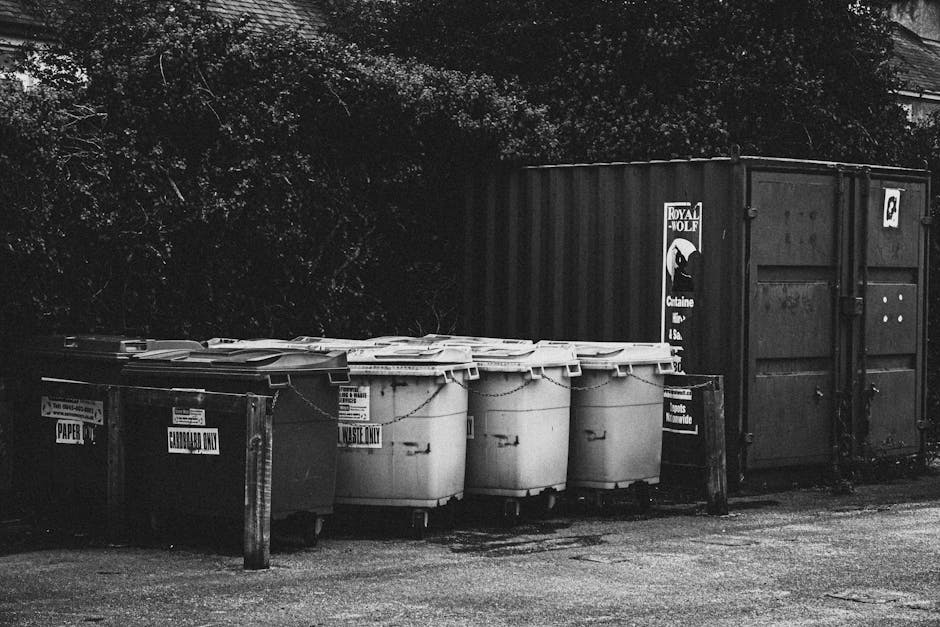
Bulky waste is exactly what it sounds like: items too large or awkward for normal household bins. Think wardrobes, mattresses, broken chairs, sofas, tables, white goods, and the kind of odd-shaped leftovers that appear after a move or a long-overdue declutter. In Bexley, as in many London boroughs, there may be rules around how these items are collected, what counts as bulky waste, and whether a charge applies.
Why does this matter? Because the wrong disposal choice can create unnecessary cost, delay, and inconvenience. You might end up paying for a collection you could have avoided, or worse, leaving items out in the wrong way and having them refused. That is a frustrating moment. You know the one: you thought the job was done, then the item is still sitting there on a damp Tuesday morning, looking more irritating by the minute.
Getting this right matters for another reason too. Responsible disposal reduces fly-tipping pressure, keeps streets tidier, and helps ensure reusable items are reused rather than thrown away. For households trying to keep moving costs under control, it also means better budgeting. If you are already paying for a move, maybe through local removal support in Ruxley, the last thing you need is a surprise waste bill on top.
Expert summary: the cheapest bulky waste plan is usually the one you make early. Sort items, separate reusable pieces, and confirm the disposal route before the furniture is already on the kerb.
How Avoid Bulky Waste Charges Under Bexley Council Rules Works
The core idea is simple: before booking or requesting any disposal, work out whether the item can be reused, donated, sold, stored, dismantled, or taken away another way. Councils tend to reserve bulky waste collection for specific items that cannot go in standard refuse, and they may charge depending on the number of items, type of item, or collection arrangement.
To avoid charges, you are generally trying to step outside the bulky waste route entirely where that is reasonable and lawful. That might mean:
- passing on still-usable furniture through donation or resale
- dismantling large items so they are easier to move or transport
- combining disposal with a larger house clearance or removals job
- using a private man and van service for items that the council would otherwise collect separately
- storing items temporarily if they are not ready to leave yet
In practice, this often comes down to timing. A sofa that is going the day after your move may not need to become a council bulky waste problem at all. If it is still serviceable, you could store it safely using the same sort of common-sense approach discussed in long-term sofa storage tips. If the item is heavy or awkward, it may also be worth checking a safer lifting plan first, especially for anything you would not want to drag down stairs in a rush.
The practical trick is to separate disposal decision from moving decision. Too many people do both at once and end up paying for convenience. Fair enough sometimes, but not always necessary.
Key Benefits and Practical Advantages
There are more benefits here than just saving money, although that is a big one. When you approach bulky waste properly, the whole job usually becomes calmer and easier to manage.
- Lower costs: you reduce the chance of paying council collection fees unnecessarily.
- Less waste: reusable items stay in circulation for longer.
- Better timing: you avoid last-minute disposal panic during moving week.
- Safer handling: you can plan for heavy or awkward items instead of lifting them badly.
- Cleaner handover: useful if you are leaving a property and want it spotless, much like the approach in move-out cleaning guidance.
- Less stress: the whole process feels more controlled. And yes, that genuinely matters.
There is also a hidden benefit: you become more selective. Once people realise there is a cost attached to every unnecessary item, they tend to declutter with more purpose. That is exactly the mindset behind sensible decluttering techniques for moving.
| Approach | Typical upside | Best for |
|---|---|---|
| Bulky waste collection | Convenient, straightforward | Unwanted items with no reuse value |
| Reuse or donation | May avoid charges entirely | Good-condition furniture, appliances, and household goods |
| Private removal service | Flexible timing and handling | Moves, clearances, mixed loads, heavy items |
| Storage first, dispose later | More time to decide | Items you are unsure about |
Who This Is For and When It Makes Sense
This is not just for people doing a full house clearance. It is useful in a lot of ordinary situations, and some of them come around faster than expected.
- Home movers: when old furniture will not fit in the new place.
- Tenants and landlords: when a flat needs clearing between occupiers.
- Families downsizing: when storage space is shrinking and decisions need making.
- Students: especially at end of term, when cheap, fast decisions matter. If that sounds familiar, student removals support in Ruxley can be a useful reference point.
- Small businesses: office desks, chairs, and filing units can turn into bulky waste very quickly.
- Anyone with one awkward item: a mattress, freezer, or old wardrobe can be more trouble than expected.
Sometimes the trigger is not a move at all. It is a new delivery. A replacement sofa arrives, the old one has to go, and suddenly you have a narrow window to handle disposal. If the item is heavy or fragile, private collection may make more sense than wrestling with it yourself. For larger pieces of furniture, the general approach in furniture removals in Ruxley can help you think through the logistics.
Step-by-Step Guidance
Here is a practical process you can follow without overcomplicating things.
- List every bulky item. Include dimensions if possible. A quick photo on your phone works well.
- Separate keep, sell, donate, and dispose. Be honest here. Half-decisions usually cost more later.
- Check condition. If an item is clean, safe, and usable, it may have another life elsewhere.
- Look for dismantling opportunities. Remove legs, shelves, doors, or drawers if it reduces size and handling risk.
- Group items by type. Furniture, white goods, and electrical items often need different handling.
- Compare disposal routes. Council collection, private removal, storage, resale, and donation all have different pros and cons.
- Book the right option early. The best cost-saving decisions are usually made before the deadline, not after.
- Prepare the property. Clear hallways, protect floors, and keep routes open for safe carrying.
- Confirm what happens at pickup. Avoid the classic mistake of leaving everything in a heap and hoping it sorts itself out. It rarely does.
If you are moving a full household and want things to run in a more orderly way, it can help to think in terms of the move itself, not just the disposal. Resources like smart packing solutions and packing materials and boxes are useful because better packing often means fewer damaged items and fewer unnecessary throwaways.
A small, very human tip: keep a box or bag for the "not sure yet" items. That one little habit can save you from binning something useful just because the room got messy and your patience ran out.
Expert Tips for Better Results
In our experience, the biggest savings come from a few simple habits rather than any complicated system. You do not need a perfect plan. Just a decent one.
1. Check reuse value before you think about disposal
A sturdy chair, clean table, working freezer, or solid sideboard may have value even if you no longer need it. A quick resale or donation decision can remove the bulky waste question altogether. If the item is an appliance, make sure it is safe and properly prepared before moving it on. For example, a stored or idle freezer should be handled properly, and the article on storing an idle freezer is a helpful reminder that appliance handling is never just a "lift and leave" job.
2. Use the move as a decluttering checkpoint
People often pay to move things they are about to throw away in six months. To be fair, we have all done some version of that. A move is the perfect moment to ask: do I want this in the next property, or am I just avoiding the decision?
3. Match the method to the item
A sofa is not a piano. A mattress is not a filing cabinet. Different items need different handling, and forcing a one-size-fits-all approach usually creates damage or extra cost. If you are dealing with unusually heavy items, it can be worth reading up on safe heavy-handling techniques and, for delicate pieces, the advice in DIY piano moving risks.
4. Protect access routes
Bulky waste often costs more in time than money because access is awkward. Narrow stairs, tight corners, lift restrictions, and parked cars can all slow things down. If you are moving from a flat or shared building, planning access carefully is half the battle. The practical guidance in flat removals in Ruxley and parking guidance for movers shows why this matters.
5. Keep paperwork and decisions in one place
Sounds boring, but it helps. One note on your phone with item photos, disposal choices, and collection dates can save a lot of confusion later. Especially if several people are involved, which is usually when things get messy.
Common Mistakes to Avoid
The same avoidable mistakes come up again and again.
- Leaving it too late: last-minute bookings often limit your options.
- Assuming everything is chargeable: some items can be reused, sold, or moved with a better plan.
- Mixing waste with moving loads: once everything is piled together, it is harder to separate cost-effective options.
- Ignoring condition: a clean, working item and a broken, damaged one should not be handled the same way.
- Forgetting safety: lifting bulky items badly can cause injury or damage to walls, doors, and floors.
- Not measuring access: a sofa that will not fit through the landing is a headache you do not need.
Another mistake is underestimating how quickly "just one more item" becomes a full clear-out. A single sofa, then a mattress, then the old freezer, then the bookshelf no one wants. Suddenly the pile has a personality of its own. Not a nice one.
Tools, Resources and Recommendations
You do not need fancy equipment, but a few basic tools make the process much smoother.
- Measuring tape: for doors, hallways, lifts, and item sizes.
- Marker labels: to mark keep, sell, donate, and dispose.
- Heavy-duty gloves: useful for rough edges and awkward grips.
- Furniture blankets or pads: to reduce scuffs and knocks during movement.
- Straps or trolleys: helpful for larger items, when used properly.
- Cleaning cloths: for wiping down usable items before storage or reuse.
- Boxes and wrap: especially if you are sorting items before a move with packing support and boxes.
For more structured move planning, useful related reading includes stressless house moving advice and general removal services in Ruxley. If you are trying to keep costs visible, the page on pricing and quotes is also worth reviewing before committing to any route.
If you are not sure whether your items should be stored, moved, or disposed of, sometimes the best answer is simply to slow down for an hour and decide properly. That hour can save a lot of hassle later, honestly.
Law, Compliance, Standards, or Best Practice
When handling bulky waste, the safest approach is to follow the local collection instructions and broader UK waste rules carefully. You should not leave items out in a way that creates obstruction, risk, or possible nuisance. In general, councils expect waste to be presented correctly, and they may refuse collections if items are not in the right condition or arrangement.
It is also wise to think about duty of care in plain terms: you should only pass items on if they are safe and appropriate for reuse, and only dispose of waste through legitimate channels. That includes avoiding fly-tipping, avoiding mixed loads that contaminate recyclables, and making sure electrical items or appliances are handled responsibly.
For moving and clearance work, best practice usually means:
- separating reusable goods from true waste
- making sure any dismantled parts are secure and safe to handle
- confirming access arrangements before collection day
- using properly insured and safety-conscious help where needed, such as services covered by insurance and safety guidance and health and safety policy information
- keeping records if you are managing a property, office, or tenancy handover
On the compliance side, it is always better to check the most up-to-date borough guidance before putting out bulky items. Rules can change, and collection conditions are not something to guess at. That bit matters more than people think.
Options, Methods, or Comparison Table
Different situations call for different disposal routes. Here is a straightforward comparison to help you decide.
| Method | Best for | Potential downside | Cost-control angle |
|---|---|---|---|
| Council bulky waste collection | Single or small numbers of unwanted items | May involve charges and fixed collection rules | Good if you only have a few items and the timing works |
| Donation or resale | Reusable furniture and appliances | Needs time and item condition must be acceptable | Can avoid disposal charges completely |
| Private removal service | Mixed loads, awkward access, larger clear-outs | Varies by provider and scope | Can be cost-effective when combined with moving |
| Storage before deciding | Items you are unsure about | Requires extra space | Prevents rushed, wasteful decisions |
If your bulky items are tied to a full move, a combined approach may be smartest. For example, moving services like man and van support or man with a van services can sometimes be more flexible than a separate waste booking, especially if you only need selected items taken at the same time.
Case Study or Real-World Example
A common scenario looks like this. A couple in a first-floor flat in Bexley are moving to a smaller place. They have one bulky sofa, a broken bookcase, and an old chest freezer in the utility space. At first glance, it feels like a council collection job. Simple enough. But after a quick look, they realise the sofa is still in decent condition, the bookcase can be dismantled and offered on a local marketplace, and the freezer needs specialist handling because it is awkward to manoeuvre through the tight stairwell.
Instead of booking everything as bulky waste, they split the job:
- the sofa is kept in short-term storage while they decide whether to sell or pass it on
- the bookcase is dismantled and removed with the rest of the moving load
- the freezer is handled separately so it can be moved safely
The result? They reduce waste, avoid paying for a collection that was bigger than needed, and keep the move day calmer. No drama, no crushed hallway skirting, no "why did we leave this to Friday afternoon?" moment.
This sort of planning is also useful for people moving into temporary accommodation or waiting on completion dates. If timing is uncertain, read through same-day removal options so you can understand how fast turnaround services may fit alongside disposal decisions. For bigger home moves, house removals in Ruxley can be relevant too.
Practical Checklist
Use this checklist before you pay for bulky waste collection or commit to a disposal plan.
- Have I checked whether the item can be reused, sold, or donated?
- Have I measured the item and the access route?
- Can the item be dismantled safely?
- Do I know whether it contains electrical or hazardous components?
- Have I compared the cost of council collection with a private alternative?
- Is the item needed temporarily in storage instead of being thrown away now?
- Have I protected floors, walls, and doorframes for removal day?
- Do I need help with heavy lifting or awkward handling?
- Have I grouped items by disposal type?
- Have I confirmed the collection rules and timing in advance?
If the answer to several of these is "not yet," that is fine. Better to pause than to make an expensive guess.
Conclusion
Avoiding bulky waste charges under Bexley Council rules is not really about being clever. It is about being organised, realistic, and a little bit patient. Most of the savings come from making the right choice before the item becomes a problem. Once you separate what can be reused, what can be moved, and what truly needs disposal, the process becomes far easier.
For many households, the best outcome is a mix of options: some items sold or donated, some stored briefly, and some removed in a planned way alongside the move. That approach usually costs less, feels calmer, and creates less waste. And in a busy week, that is worth a lot.
Get a free quote today and see how much you can save.
If you are still weighing up the next step, take your time, measure twice, and decide once. A tidy plan now tends to pay you back later, in money and in peace of mind.
![A collection of overflowing waste and recycling bins placed on a paved pavement area outside a commercial building, with various types of rubbish such as cardboard boxes, plastic bags, paper, and packaging materials spilling onto the ground. The bins include a large gray mixed paper and cardboard recycling container, a black bin for general waste, a black bin for recyclable materials, and a red bin, all positioned next to a metal railing. Behind the bins, a blue delivery van is being loaded or unloaded, with some furniture items or boxed goods possibly nearby. The building in the background features large signage, glass windows, and an external metal structure, with trees and parked cars visible in the surrounding area. The scene captures the process of waste disposal in an urban setting, relevant to moving and home relocation considerations handled by [COMPANY_NAME].](/pub/blogphoto/avoid-bulky-waste-charges-under-bexley-council-rules3.jpg)