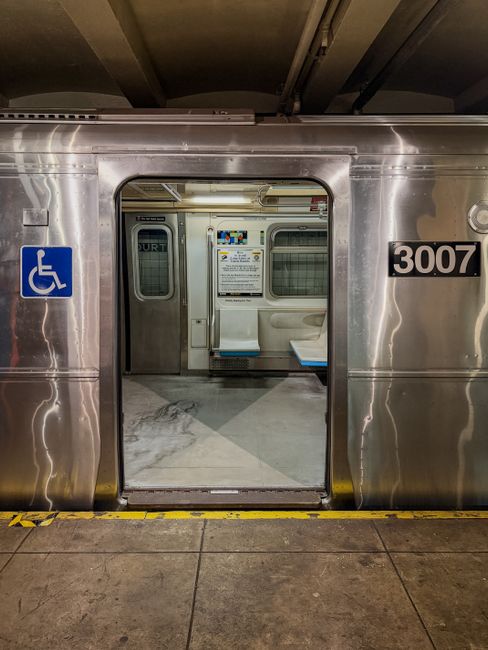
Albany Park Station Removals Timing and Access Tips

If you are planning a move near Albany Park Station, timing and access can make the difference between a calm, efficient removal and a day full of awkward double-parking, rushed lifting, and last-minute scrambling. Albany Park Station removals timing and access tips are not just about getting a van to the right street; they are about choosing the right hour, understanding local parking realities, and making sure your move works with the area rather than against it.
That sounds simple enough, but in practice it is where many moves get tangled. A quiet road can turn busy very quickly. A short walk from the property to the kerb can become a long carry if you have to park further away than planned. And if you are moving with bulky furniture, prams, or fragile items, even a small delay can ripple through the whole day. The good news? With a bit of local sense and the right preparation, you can make the process far easier.
This guide breaks down the timing side, the access side, and the everyday decisions that matter most. You will find practical advice, a step-by-step approach, common mistakes, and a checklist you can actually use. Truth be told, most moving headaches around station areas are predictable. That is what makes them fixable.
Why Albany Park Station Removals Timing and Access Tips Matters
Station-adjacent moves have their own rhythm. Near Albany Park Station, the roads, foot traffic, school runs, commuter patterns, and kerbside parking all affect how smoothly a removal day goes. If you arrive at the wrong time, even a small two-bedroom move can become a logistical puzzle. If you arrive at the right time, it can feel almost easy. Almost.
Timing matters because access around busy local routes is rarely static. The same street that feels straightforward at 9:30 in the morning may be awkward by mid-morning if neighbours are heading out, deliveries are arriving, or the pavement is already crowded with parked cars. A move that starts with a good parking position can save a lot of lifting time, protect furniture, and reduce stress for everyone involved.
Access tips matter for the same reason. It is one thing to book a van. It is another to make sure the van can safely reach the property, stop legally, load without blocking traffic, and leave without drama. That is especially relevant if you are moving a narrow hallway, upper-floor flat, shared driveway, or a house with limited frontage. A quick look from the street can tell you a lot, but not everything.
In our experience, most moving delays are not dramatic disasters. They are the little things: a gate that opens inward, a neighbour's car parked where the van needed to go, a sofa that does not quite fit around the stair turn, or a rush hour window that quietly eats half an hour. Small things, yes. But they stack up.
Expert summary: The best removals near Albany Park Station are usually the ones that plan around commuter traffic, confirm loading access early, and leave a sensible buffer for parking, walking distance, and stair carry time.
How Albany Park Station Removals Timing and Access Tips Works
The basic idea is straightforward: choose a time slot that reduces traffic conflict, then prepare the property so the van can load with minimal obstruction. But there are a few moving parts, and they matter more than people expect.
1. Map the access before move day
Start by looking at the route and the immediate area around the property. Is there room for a medium van to pause without blocking a junction? Is the road narrow? Is there a bend, a parked-car pinch point, or a low tree branch that could complicate entry? If you can, walk the approach yourself. It sounds old-fashioned, but it works.
For ground-floor homes, the main question is usually parking distance. For flats, the challenge is often stair access, shared entrances, and whether there is enough space to manoeuvre boxes without bottlenecks. If there is a lift, check size, weight limits, and booking rules. You do not want to discover the lift is out of service at 8:15am. No one enjoys that little surprise.
2. Pick a realistic time window
Timing should be based on access, traffic, and how much you are moving. Early morning can be useful because the roads are often calmer and loading is easier before the day gets busier. But that only helps if you are actually packed and ready. A too-early slot with unlabelled boxes and a sleepy household is not ideal.
Midday can work for some homes, especially if you need a little extra time to clear parking or wait for neighbours to move cars. Late afternoon can be tricky if commuter traffic builds or daylight becomes a factor during winter. There is no universal best time. The best time is the one that matches your property and your load.
3. Match vehicle size to the access conditions
Not every move needs a huge lorry. In fact, around tighter residential streets, a smaller removal van or a man and van setup can sometimes be more practical than a larger truck. That does not mean bigger is bad. It means the vehicle should suit the street, the parking, and the volume you are moving.
If access is straightforward and the load is substantial, a larger vehicle may reduce trips. If access is tight, the smaller and more nimble option may save time overall. That trade-off is worth thinking about early, not on the pavement with the rear doors open and everyone waiting.
4. Build in loading and carry time
People often plan only for travel time. But the loading stage is where a lot of the clock disappears. Long carries from front door to van, awkward stairs, or repeated trips for boxed items all take time. If you are moving from a top-floor property near Albany Park Station, a 30-minute delay is not unusual when access is limited. That is not a failure; it is just the reality of the job.
A better plan includes an honest estimate of carry distance, stair count, and whether heavy pieces need extra handling. If you have a piano, oversized wardrobe, or a sofa that barely cleared the stairwell on the way in, factor in the extra care needed on the way out.
Key Benefits and Practical Advantages
Good timing and access planning save more than time. They reduce stress, lower the chance of damage, and make the day feel manageable. Simple, but powerful.
- Faster loading: Less walking distance and fewer parking changes mean the team can work steadily.
- Lower damage risk: Shorter carries and fewer awkward manoeuvres reduce the chance of knocks and scrapes.
- Less disruption to neighbours: Careful parking and timing help avoid blocking driveways or creating unnecessary noise.
- Better cost control: If a job runs smoothly, you are less likely to pay for avoidable delays or extra time.
- Less personal stress: You feel more in control when the practical side is already thought through.
There is also a softer benefit that people do not always mention. A well-timed move tends to set the tone for the whole day. Everyone is calmer, instructions are clearer, and small problems feel solvable instead of overwhelming. That matters more than it sounds like it should.
For people comparing options, it can help to look at the service style as well as the vehicle. Some households want a full removals service, while others only need a small team for local transport. If you are shifting a few bulky items rather than a full household, a targeted service may be the better fit.
Who This Is For and When It Makes Sense
This topic matters to more people than you might think. It is not just for big family moves. Around Albany Park Station, timing and access planning can help in several common scenarios.
Home movers: If you are leaving a terraced house, semi-detached property, or flat near the station, parking and access are usually the make-or-break points. Even a modest move benefits from a clear plan.
First-time movers: If this is your first proper move, the hidden parts of the day can catch you out. You may be focused on boxes and paperwork, which is fair enough, but access details are what keep the day on track.
Busy families: If children, pets, or work commitments are involved, the move needs to happen in a tight window. Good timing reduces the chaos. And honestly, anything that makes the kettle reachable sooner is welcome.
Older residents or downsizers: If you are moving into a smaller property, careful scheduling and considerate access arrangements make the process safer and more comfortable.
People moving larger items: Sofas, white goods, beds, and wardrobes are much easier to handle when the van can park close and the route is clear. If you are only moving a few awkward items, the same logic applies.
Commercial or small business moves: If a workspace or stock needs relocating near a station area, timing becomes even more sensitive because you may need to work around business hours, deliveries, and staff access. In those cases, a structured commercial moves plan is often the safer route.
Step-by-Step Guidance
Here is a practical way to approach a move near Albany Park Station without overcomplicating it.
- Assess the property and road access. Check the width of the street, nearby parking restrictions, turning space, and whether your entrance is easy to reach from the kerb.
- Confirm the amount of loading space needed. Think about how many large items you have, how many trips will be required, and whether anything needs dismantling first.
- Choose a sensible move time. Aim for a window that reduces congestion and gives you enough daylight and energy to work properly.
- Prepare parking where possible. If lawful and practical, make sure your own vehicle is not in the way and ask neighbours, where appropriate, about temporary clearance.
- Pack the high-priority items first. Essentials, documents, and anything fragile should be ready before the van arrives.
- Clear hallways and entry points. A tidy route saves time and reduces the risk of damage. It also makes everyone a bit less grumpy.
- Protect floors and door frames. Use covers or padding where needed, especially for tight entrances or hard flooring.
- Load heavy items strategically. Put the heaviest and most awkward pieces in first if they need careful placement, then stack lighter boxes around them.
- Do a final walk-through. Check cupboards, lofts, sheds, and under beds. People forget things in the strangest places.
- Leave a buffer. Even the best-planned move benefits from a little extra time. That buffer is your breathing space.
One small but useful clarification: if you are hiring a team, ask how they prefer access to be arranged. Some crews want the van positioned as close as legally possible to reduce carry time. Others may adjust the order of loading based on the property layout. Clear expectations at the start prevent awkward guessing later.
Expert Tips for Better Results
A few practical touches can make a surprisingly big difference. These are the kinds of things people only learn once or twice, then never forget again.
Use a timed loading plan. If you know the fragile items, bulky items, and final loose items in advance, you can avoid the usual shuffle where everyone stands around deciding what goes next. Time quietly leaks away there.
Separate the "must not miss" items. Keep documents, keys, medications, chargers, and one kettle box in a clearly labelled place. You will thank yourself later, probably around the point you are hunting for tea bags.
Keep access paths dry and clear. A wet, muddy, or cluttered threshold slows everything down. Even a small mat or towel can help with traction on move day.
Label by room and priority. Colour-coding or simple room labels help the team place boxes quickly in the right rooms at the new address. This is especially useful when time on site is tight.
Photograph tricky access points. If you are unsure whether a sofa, bed frame, or appliance will fit, a photo of the entrance, stair turn, or parking area can help the removals team plan better before arriving.
Be honest about what you own. It saves hassle. A "small bookcase" is sometimes a large one. We have all done it. Better to be a little too specific than confidently vague.
Think about neighbours. Near station areas, residents may already be dealing with commuter traffic and limited parking. A considerate, efficient move gets a better reception than a messy one.
Common Mistakes to Avoid
Most removal problems are preventable. The trouble is, the mistakes often look minor at the planning stage.
- Booking at the wrong time of day: A slot that looks fine on paper can be poor in practice if it clashes with traffic or local parking pressure.
- Assuming the van can stop anywhere: Kerbside access matters. If the road is narrow or crowded, parking may be the biggest challenge, not packing.
- Leaving packing until the last minute: Late packing leads to confusion, slower loading, and more breakages.
- Ignoring stairs and carry distance: A long carry can change the whole schedule. Do not underestimate it.
- Forgetting bulky-item measurements: Some items need to be dismantled, angled, or protected in advance.
- Not checking permits or local restrictions: Where applicable, local parking and loading rules should be understood ahead of time.
- Under-communicating with the removals team: If there is a narrow passage, a shared entrance, or a locked gate, say so early.
- Leaving the access route cluttered: Shoes, bags, recycling bins, and random hallway storage all slow things down.
One of the biggest errors is the quiet assumption that "we'll sort it on the day." Sometimes you can. Often you cannot. Better to sort it before the van appears and the pressure rises. A little boring planning now beats a lot of expensive improvisation later.
Tools, Resources and Recommendations
You do not need a mountain of equipment to get this right, but a few simple tools help a lot.
- Measuring tape: Essential for doors, stair turns, lifts, and bulky furniture.
- Phone camera: Useful for photographing access points, parking conditions, and item dimensions.
- Box labels or marker pens: Saves time during unloading and makes room placement easier.
- Furniture covers and blankets: Helpful for protecting surfaces and making awkward items easier to grip safely.
- Floor protection: Particularly useful in wet weather or on delicate flooring.
- Basic toolkit: A screwdriver or hex key can save the day if furniture needs partial dismantling.
When comparing service options, look beyond the headline price. A trustworthy provider should be clear about the likely vehicle size, access assumptions, and what happens if parking is tighter than expected. If you want to compare quotes carefully, our guide on pricing and quotes can help you understand what to look for and what to query before booking.
For customers who want a broader service overview, the removal services page is also useful because it shows how different move types can be handled, from small local jobs to more involved relocations.
Law, Compliance, Standards, or Best Practice
For station-area removals, compliance is usually less about complicated paperwork and more about doing the right practical things: parking legally, avoiding obstruction, protecting property, and working safely. If a move requires suspending access, blocking a road, using shared spaces, or dealing with controlled parking zones, those details should be checked in advance. Local rules can vary, and it is sensible to confirm them rather than assume.
In the UK, good moving practice also means handling items safely, using suitable lifting methods, and avoiding unnecessary risk to people or property. If a provider is insured, that gives an extra layer of reassurance, but insurance does not replace good planning. It simply sits alongside it.
For peace of mind, it is worth looking at a company's approach to insurance and safety and making sure the move is discussed in realistic terms. If the route is awkward, say so. If the access is tight, say so. If there is a difficult staircase, say so twice if needed.
It also helps to check a provider's general policies on conduct, handling, and customer process. Clear terms are a good sign. The same goes for public-facing information about safety, payment, and complaints. No one expects perfection, but clarity matters.
Options, Methods, or Comparison Table
Different move setups suit different access conditions. Here is a simple comparison to help you think it through.
| Option | Best for | Pros | Watch-outs |
|---|---|---|---|
| Small van / man and van | Tight streets, lighter loads, short local moves | Easier access, flexible parking, often quicker around residential roads | May need more trips for larger loads |
| Medium removal van | Typical house or flat moves with moderate access | Good balance of capacity and manoeuvrability | May still struggle where parking is very limited |
| Large removal truck | Bulkier household or commercial moves with better road access | Fewer trips, efficient for bigger loads | Harder to position on narrow streets |
| Part-load or staged move | When timing is flexible or items must move in phases | Reduces pressure on move day, useful for tricky access | Requires more planning and coordination |
There is no one-size-fits-all answer here. A larger vehicle is not automatically better, and a smaller one is not automatically cheaper once extra trips are counted. If your main challenge is access, not volume, prioritise manoeuvrability. If your main challenge is quantity, prioritise capacity. Simple enough, really.
Case Study or Real-World Example
Here is a realistic example based on the kind of move people often face near Albany Park Station.
A couple moving from a first-floor flat underestimated how much time the stair carry would add. Their original plan was to start at 8:00am because they wanted the move "done early." Sensible in theory. But the issue was that the van would have had to park a little further away due to morning street activity, and the building entrance was shared with another block. They also had a sofa, a bed frame, and several heavy boxes of books. The route from the flat to the van was short on a map, but not especially short in real life.
After reviewing the layout, the move was shifted slightly later to avoid the busiest patch of the school-run window. The team used a smaller vehicle that could position more easily, and the couple pre-cleared the hallway, dismantled the bed, and labelled every box by room. It was not glamorous. No confetti, no drama. But it worked much better than the original plan would have.
The biggest improvement came from one simple change: they stopped treating timing as separate from access. Once they planned both together, the rest of the day became much easier. That is the key lesson, really. Good removals are rarely about brute force. They are about fit.
Practical Checklist
Use this checklist in the days before your move near Albany Park Station. It is basic, but it catches most of the common problems.
- Confirm the move date, arrival window, and contact details.
- Check parking and loading access outside both properties.
- Measure bulky furniture, doors, stair turns, and any lift dimensions.
- Decide whether a small van, medium van, or larger vehicle is most realistic.
- Pack and label all boxes by room.
- Separate valuables, documents, chargers, and essentials.
- Clear hallways, entrances, and loading routes.
- Protect floors, corners, and fragile surfaces.
- Tell the removals team about gates, codes, stairs, or restricted access.
- Keep a buffer in the schedule for delays, parking changes, or extra care with heavy items.
- Check whether the booking includes insurance and what level of cover applies.
- Have a phone charged and ready on move day.
If you tick all of that off, you are already ahead of most moving-day headaches. Not perfect, maybe. But properly prepared, yes.
Conclusion
Albany Park Station removals timing and access tips are really about making the move feel manageable. When you choose the right time, plan for parking and loading realities, and match the vehicle and team to the property, the whole process becomes steadier and far less stressful. The station area does not have to be a problem; it just needs a sensible plan.
The nicest thing about good planning is that it disappears into the background. No one remembers the loading route because it worked. No one talks about the parking because it was sorted. That is exactly how it should be.
If you are weighing up options, looking at access conditions early and comparing practical move types will give you a much clearer picture than guesswork ever will. And if you want a smoother, more confident moving day, start with the details that are easiest to control: time, access, and communication.
Get a free quote today and see how much you can save.
Sometimes the best moving days are the quiet ones. Just a few good decisions, made early, and the rest falls into place.
Frequently Asked Questions
What is the best time of day for removals near Albany Park Station?
There is no single perfect time, but earlier windows often work well if traffic is lighter and you are fully packed. The best choice depends on parking, road activity, and how much access you have at both properties.
How do I know if my street has enough access for a removal van?
Check the width of the road, where vehicles usually park, whether there are any bends or tight corners, and how close the van can legally stop to your entrance. A quick walk outside with a measuring tape and a bit of common sense goes a long way.
Should I choose a smaller van for a tight residential street?
Often, yes. If the access is narrow or parking is limited, a smaller van can be more practical because it is easier to position and may reduce complications. That said, the load size still matters, so it is a balance.
Do I need to dismantle furniture before the movers arrive?
It depends on the size of the item and the access route. Beds, wardrobes, and bulky shelving often move more safely if they are partly dismantled. If you are unsure, ask in advance rather than leaving it until move day.
What if parking is unavailable on the day?
Have a fallback plan. That might mean allowing extra time, using a smaller vehicle, or identifying a legal loading spot nearby. The key is not to leave parking to chance, because "we'll just wing it" is rarely a winning strategy.
How much extra time should I allow for a move near a station area?
A buffer is wise, especially if there are stairs, a long carry, or uncertain parking. Even a short delay can affect the rest of the day. It is better to overestimate slightly than to run the move at full panic speed.
Is a man and van service suitable for Albany Park Station moves?
Yes, for many smaller or medium-sized local moves. A service like man and van removals can be a strong option when access is limited and you want a flexible, efficient setup.
What should I tell the removals team before the job starts?
Share access details, parking issues, floor level, stair count, lift availability, gate codes, and anything unusually heavy or fragile. The more accurate the information, the smoother the move usually goes.
How can I protect my home during loading and unloading?
Use floor coverings where needed, clear the entrance route, and make sure large items are handled with care. Good teams will already have a careful process, but it helps when the property is prepared too.
What if I am only moving a few bulky items?
That is still worth planning properly. A sofa, mattress, or appliance can be more awkward than a whole stack of boxes. A focused service such as furniture pick up may be useful if you only need selected items moved.
How do I compare removal quotes fairly?
Look at what is included, what assumptions are being made about access, whether insurance is mentioned, and whether the provider asks sensible questions about the route and property. A cheap quote that ignores access can end up costing more in the end.
What is the biggest mistake people make with removals timing?
The biggest one is booking a time that suits the calendar but not the street. A move near Albany Park Station needs to fit the local conditions, not just the clock. Once you plan around that, everything tends to flow better.